




When selecting faux fur fabrics for winter coats, there is no single, definitive standard. The choice primarily depends on the intended market positioning of the garment, its warmth, and production costs. Below, we’ll discuss the three most popular options in the export wholesale market, which are widely recognized and have the lowest rate of customer complaints.
For mid-to-high-end orders, high-density faux mink and faux fox fur are the top choices. These fabrics feature a thick, fluffy texture, excellent warmth, a luxurious sheen, and a premium look when worn. They are shed-free, have excellent color retention, and are ideal for luxury coats, high-end women’s apparel, and high-volume orders from European and American retailers and brands, offering ample room for premium pricing.
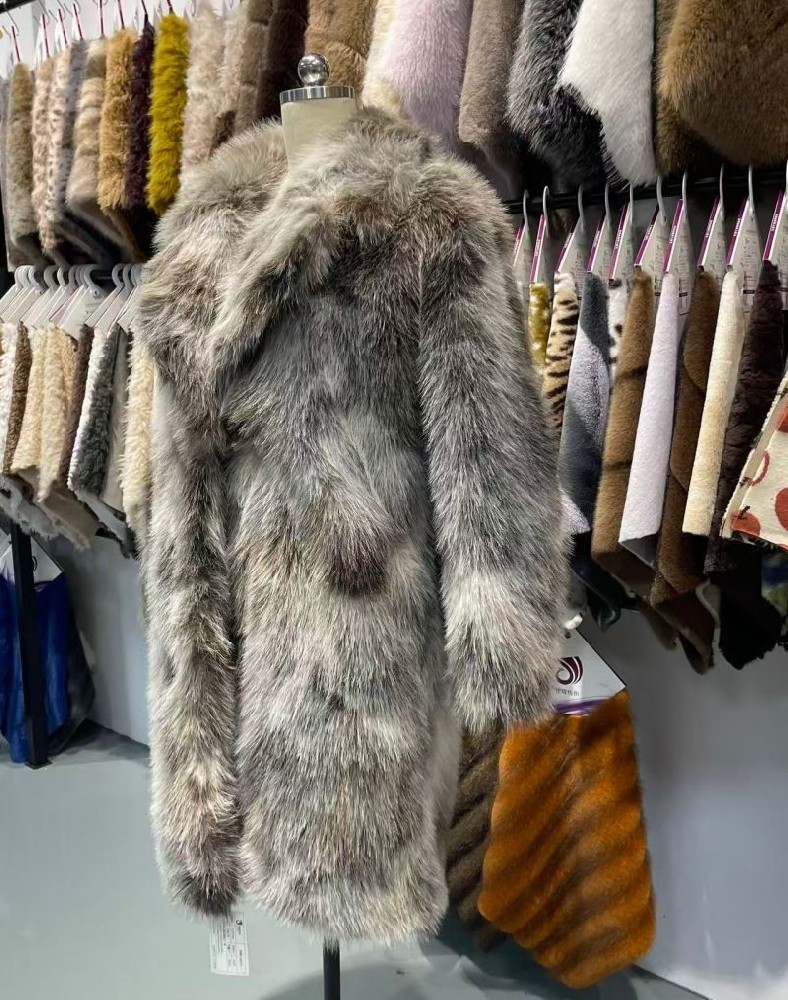
For mass-market volume items, we recommend thickened faux rabbit fur fabric. It has a soft, fluffy, and lightweight feel, is gentle on the skin without causing irritation, and offers controllable costs. The dyeing is stable with minimal color variation, making it suitable for large-scale mass production. It features fast turnaround times and a low rework rate, making it ideal for creating best-selling, affordable winter outerwear.
For casual essentials, we recommend thickened lambswool-style faux fur. It features short, dense, and upright fibers that are windproof, resistant to compression, and maintain their shape well. The fabric is easy to style, durable, and wash-resistant, making it suitable for men’s wear, commuter jackets, and children’s clothing. With consistent batch quality and virtually no issues with color fading or shedding, the risk of overstocking is minimal.
For buyers, matching fabrics to customers’ price points and confirming the fabric weight, pile height, and color swatches in advance ensures consistent quality for bulk orders, balancing both sales volume and reputation.
